

Past Editorials
Click here!
|
|
|
May 7, 2001
Past Editorials Click here! |
|
Home |
Alumni |
Home |
City Hall |
Events |
History |
Schools |
Map |
Library
Genealogy
Community Center | News | Chatter box | Email | Photos | Satire | About Minonk | Issues |
It sure is windy |
||
|
About Town Dave Uphoff 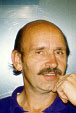 |
When I moved back to this area in 1972 it seemed like it was always windy. I didn't
seem to noticed it when I was a kid growing up on the farm where I live today. I was
reminded of this feeling again this spring as it seems like the wind has been blowing
nonstop for a month now.
I have a new neighbor across the road who is from Russia. She explained to me the other day that the ferocity of the wind here is something she hadn't experienced before. I guess they don't have tornadoes in Russia. So why do I notice the wind so much more than I did as a child? People who live in town do not experience the wind like we folks in the country. I think one of the reasons for the change is due to the change in the landscape. Look how bare the countryside is today. It is literally devoid of trees. When I was a child living in the country every farm had a row of hedge trees. These hedge rows acted as a windbreak to protect the land from soil erosion and also to provide shelter for wildlife. It really was beautiful in the country in those days. Most farms had gardens and orchards and a pasture for their livestock. After World War II, farmers started to remove the hedge rows to provide more tillable land and also so their machinery wouldn't have to turn around so often. Today a tractor may go a half mile before it has to turn around. With the advent of herbicides, pesticides and fertilizer farmers turned to chemical methods to increase their productivity. Old fashioned methods of organic farming that used animal manure for fertilizer and four year rotation of crops that included alfalfa and clover fields were discontinued. Farming is definitely a much bigger and cutthroat business today. Absentee landlords who don't live on the land usually are not concerned with the aesthetics of the countryside or the protection of the environment. Gone are the days when a landlord entrusted his land to a farmer with a handshake and an agreement to split the expenses and share the profits. Today land is bidded out to the highest bidder which all but guarantees that every square inch of that land is going to be farmed in order to squeeze out the last penny of profit needed to pay for the high land rent. No room for trees or animals in this scenario. The trees that are left in the countryside must also contend with the effects of agricultural spraying. I know plenty of people, including myself, who have had trees damaged by the effects of spraying. I have to admit I don't feel comfortable living in the middle of all of this spraying. While nobody knows for sure, it seems to me that an awful lot of farmers in this area die of cancer.
|
I told a friend the other day that if I became King of Illinois I would require each section of open farm land to
be crisscrossed with 1 mile long rows of pine trees. He said I wouldn't be King very long.
I don't know where it will all end. This is just another example of how economic progress sometimes advances at the expense of something else whether it be the environment, aesthetics, life style or our health. Years ago our forefathers lived on the land they farmed and made it their home, not just a place to work. With the decline of the small family farm, the countryside is become less of a place to live and more of a place to make money. So let the wind blow.
More spring happeningsI spotted two scarlet tanagers and one indigo bunting this week at the birdbath behind my house. It is such a delight to see such beautiful birds come swooping out of nowhere when you least expect it. Unfortunately, these beautiful birds only stick around for a week and then head off north for the summer.The maple trees are fully leaved out as well as the linden and ash trees. The oak trees are usually the laggards and will not be fully developed for another week. The last trees to leaf out are the catalpa and hedge trees (Osage orange). Remember the old saw about you didn't plant corn until the leaves on the hedge trees were as big as squirrel ears? Around here that usually means May 10. This day in age the farmers will have planted their corn by the first of May and will be planting beans by May 10. The long and cold winter we had seems to have made for a more profuse flowering of the trees. They say that apple trees in particular need a long cold winter to break their dormancy adequately. Hopefully, we will have a good apple crop this year. Anyhow, we made it through another winter. People in this part of the country really appreciate the good weather. Those folks in California must be bored with all that good weather all of the time. I remember someone mentioning that if you were born in a climate with 4 seasons that you really miss it when you live somewhere else. It seems to give a tempo to your life and gives us annual rituals that would be missed elsewhere. Not too many of us would agreed to that in the middle of January. |
| To reply to this editorial please send your comments to duphoff@minonktalk.com. Only letters with a valid signed name will be published in the email section. |

